The Ultimate Studio Cleanout: How to Destash Your Fabric Hoard and Reclaim Your Creative Space

- Bernice
- October 7, 2026
- Fashion Business, Independent Designers, UK Fashion Industry
Every fashion designer, freelance pattern cutter, and independent maker knows the feeling. It starts with a few beautiful linen remnants tucked under a cutting table. Then come the rolls of UK deadstock fabric left over from last season, sample headers that didn’t make the cut, and giant bags of scraps you promised you would reuse.
Before you know it, your creative sanctuary feels less like an inspiring workspace and more like an overcrowded textile warehouse.
A cluttered workspace isn’t just a physical hazard; it’s a creative block. When you are struggling to find room to lay out a pattern or the mental clarity to draft a new collection, it is time for a thorough studio destash.
By sorting through your unwanted inventory, you can clear your physical space, recoup your material costs, and supply other designers with highly sought-after sustainable fashion supplies. Here is your step-by-step guide to executing a successful studio cleanout.
Step 1: The “Everything Out” Fabric Audit
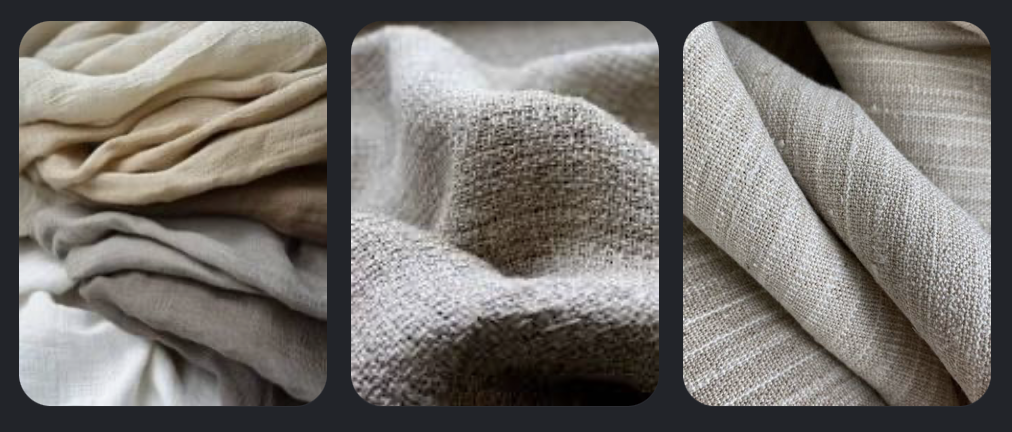
To truly understand what you have, you need to make a mess first. Set aside a full morning, clear your main cutting table, and pull every single piece of material out of your cupboards, boxes, and shelves.
Group your textiles into three distinct categories:
- The Keep Pile: Fabrics you have an active, concrete plan to use within the next six months. Be brutally honest here. If it has been sitting there for two years, it belongs in a different pile.
- The Scrap Pile: Tiny offcuts and shredded muslin. These are too small to be sold individually but can be bagged up for commercial textile recycling or donated locally for stuffing.
- The Destash Goldmine: High-quality yardage, leftover garment rolls, luxury deadstock (like pure Merino wool yarn or cashmere), unused trims, vintage sewing patterns, and working studio tools you no longer need. This is your ticket to a clean studio and extra funding.
Step 2: Grade and Measure Your Sourcing Assets
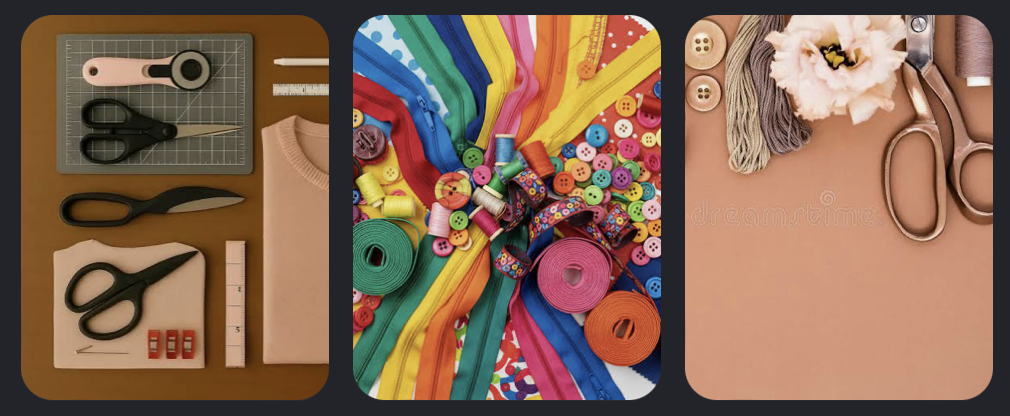
When designers look for fabric sourcing in the UK, they need technical details. To make your listings stand out to buyers looking for premium, independent materials, grab a tape measure and document the following details:
- Fiber Composition: Is it 100% natural linen, a stable Milano stitch double-knit, or a deadstock silk? If you are unsure of the synthetic blend, perform a quick fabric burn test.
- Exact Dimensions: Measure the length in meters or yards and note the usable width (excluding the selvedge).
- Weight & Construction: Note if the fabric is lightweight (ideal for summer shirts), mid-weight, or heavy-duty (like coating or heavy denim).
- Provenance & History: If a roll has a slight dye variance along the edge or was sourced as luxury designer deadstock from a specific UK heritage mill, write it down! Transparency builds immense trust in the B2B community.
📸 Step 3: Photograph Your Textiles for Clarity
You do not need an expensive camera setup to photograph fabric for a creative fashion directory, but you do need absolute visual clarity.
- Use Natural Light: Avoid using harsh yellow studio lights or camera flashes, which distort the true color of the textiles. Photograph your fabric near a large window during midday.
- Show the Texture: Take one wide shot showing the full piece or roll, and one close-up macro shot to capture the weave, yarn twist, or unique knit texture.
- Capture the Drape: Hang the fabric over the back of a chair or a mannequin so buyers can see how it falls naturally.
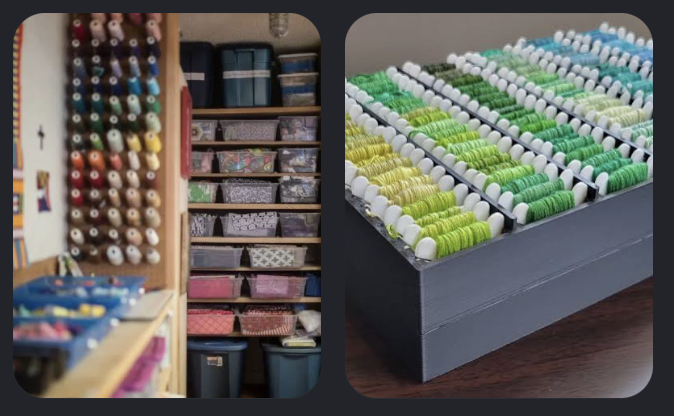
♻️ Step 4: List on a Dedicated Fashion Making Marketplace
Once your inventory is organized and photographed, it is time to list it. Rather than using generic consumer marketplaces where your premium technical fabrics get lost among fast-fashion clothing, choose platforms built explicitly for the circular fashion economy.
By listing your unwanted materials on a dedicated UK marketplace or a free local destashing directory like Creative Fashion Services, you are feeding directly into the sustainable ecosystem:
- Recouping Costs: Turning dormant asset investments back into active working capital for your next collection.
- Supporting Indie Brands: Giving design students, independent pattern cutters, and start-up labels access to high-quality materials they couldn’t otherwise afford at retail prices.
- Preventing Waste: Keeping beautiful, perfectly usable textiles in circulation and completely out of the UK waste stream.
Ready to clear your cutting table?
Gather your loose rolls this weekend, take a few clean photos, and list them on our free directory to clear your space for your next big idea.